
DERIVED FROM THE SCOTTISH PHILOSOPHER DAVID HUME (1711-1776), AN INFORMAL NAME FOR A DISTINCTION (RATHER LIKE THE FACT/VALUE DISTINCTION) BETWEEN STATEMENTS OF FACT AND UTTERANCES WITH AN ‘OUGHT’ IN THEM.
In his Treatise of Human Nature (1739-40), Hume claimed (as usually interpreted) that the latter could never be logically derived from the former, and this has been the subject of considerable debate in the last 30 years or so.
As with the fact/value distinction, the present distinction has proved hard to maintain in its pristine clarity, though the issue is far from settled.
Source:
W D Hudson, ed., The Is/Ought Question (1969)
Table of Contents
Videos
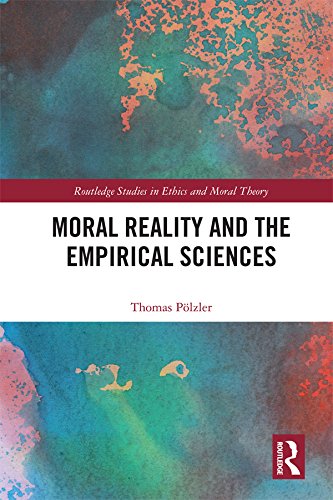
Moral Reality and the Empirical Sciences (Routledge Studies in Ethics and Moral Theory)
- Amazon Kindle Edition
- Pölzler, Thomas (Author)
- English (Publication Language)
- 246 Pages - 05/11/2018 (Publication Date) - Routledge (Publisher)
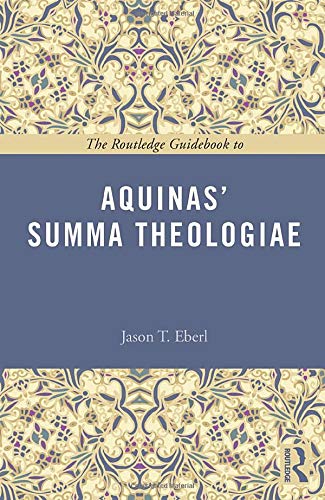
The Routledge Guidebook to Aquinas' Summa Theologiae (The Routledge Guides to the Great Books)
- Taylor Francis
- Eberl, Jason (Author)
- English (Publication Language)
- 332 Pages - 11/24/2015 (Publication Date) - Routledge (Publisher)
Last update 2020-06-17. Price and product availability may change.